Shampoo for a Cocamidopropyl Betaine Allergy
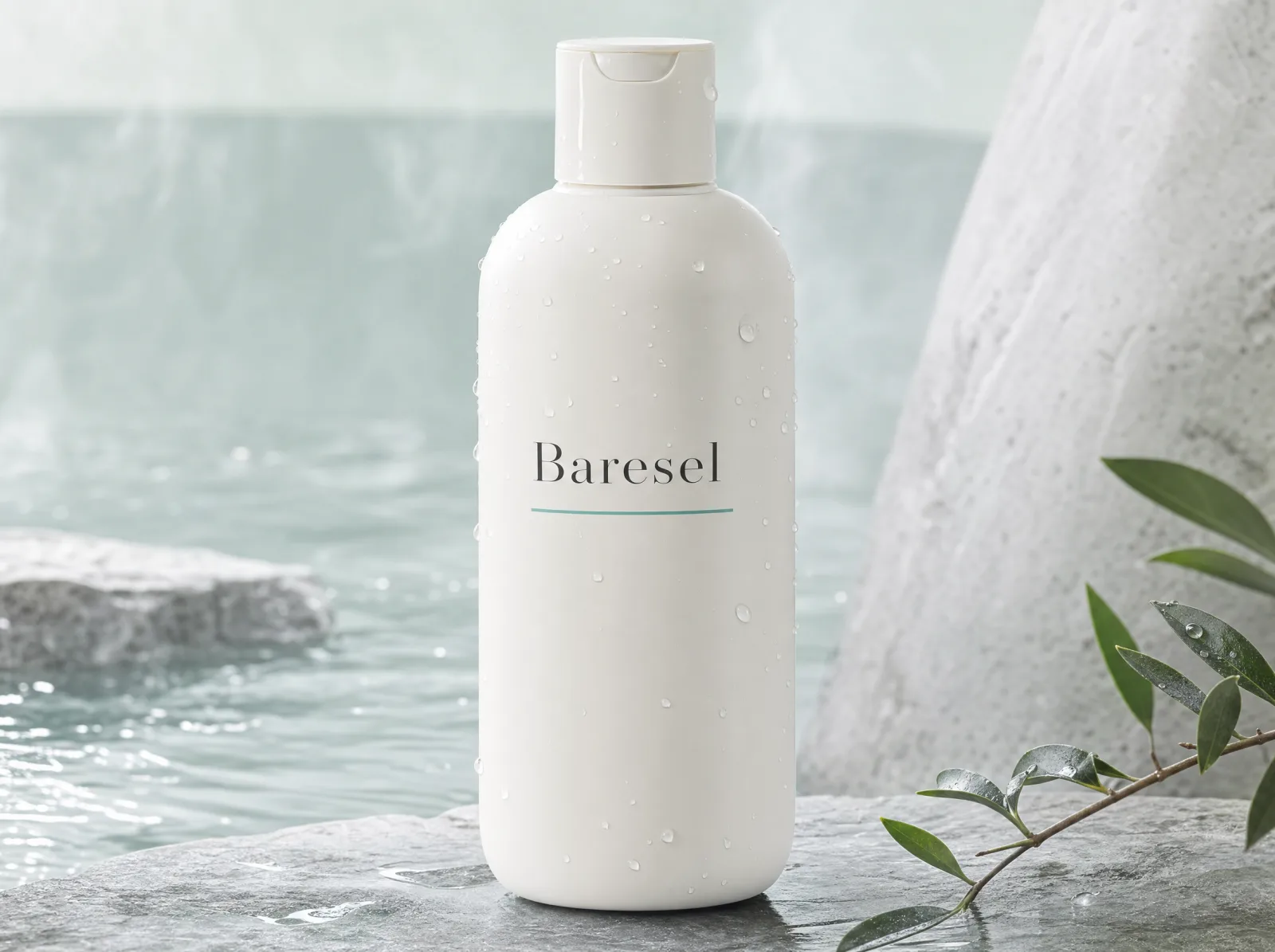
Baresel Shampoo
$22 · 250 ml · fragrance-free
- No cocamidopropyl betaine or any amidopropyl betaine
- No alkyl glucosides (decyl, coco, lauryl)
- No sulfates, MI/MCI, formaldehyde releasers or fragrance
Where it stands: formula published in full below; pre-orders open; no charge until your order ships; free worldwide shipping; cancel any time before then.
If you are patch-test positive to cocamidopropyl betaine (CAPB), the job of a shampoo is simple: it must verifiably leave CAPB out of the ingredient list — not just call itself "gentle" or "sulfate-free." CAPB is one of the most common surfactants in modern shampoos, including many sulfate-free, "natural," and baby formulas, so the only reliable way to avoid it is to read the full INCI list and confirm the name is absent. A shampoo cannot treat or cure a contact allergy; avoidance is the strategy, and it is one you should confirm with an allergist or dermatologist who has your patch-test results.
Fast facts
- Cocamidopropyl betaine (CAPB) is a mild, coconut-derived surfactant used as a secondary cleanser and foam booster in a large share of shampoos.
- It was named Allergen of the Year for 2004 by the American Contact Dermatitis Society, reflecting how frequently it turns up in patch-test clinics.
- A CAPB contact allergy typically shows up as an itchy, flaking, or red rash on the scalp, hairline, eyelids, or neck — areas that rinse-off product touches.
- "Sulfate-free," "natural," and "baby" shampoos frequently still contain CAPB, because it is used alongside or instead of sulfates.
- The only dependable way to avoid CAPB is to read the INCI (ingredient) list and confirm the name — and its aliases — are not present.
- A shampoo is a cosmetic that helps you avoid a known trigger; it does not diagnose, treat, or cure an allergy. Patch testing and diagnosis belong with a healthcare professional.
Why CAPB is so hard to avoid
Cocamidopropyl betaine is an amphoteric surfactant derived from coconut oil. Formulators love it because it is mild relative to harsher sulfates, boosts foam, thickens the product, and pairs well with almost any cleansing base. That versatility is exactly why it is everywhere — and why a CAPB allergy is frustrating to shop around. Reaching for a "gentle" or "sulfate-free" bottle does not help, because CAPB is often the very ingredient that makes those formulas feel mild. Many "natural" and baby washes use it for the same reason.
The reactions people describe are consistent with allergic contact dermatitis: itching, small bumps, flaking or scaling, and redness where the lather sits — the scalp, hairline, behind the ears, the eyelids, and the neck. Because the trigger rinses off, the link is easy to miss, and people often blame dryness or "sensitive skin" for months before a patch test points to CAPB. The American Contact Dermatitis Society naming it Allergen of the Year for 2004 underscores how routinely it surfaces in testing.
How to shop when you react to CAPB
Treat the INCI list as the source of truth and marketing claims as noise. Read the full ingredient list before you buy, look for the name and its common aliases, and — for anything going on already-reactive skin — patch-test the finished product yourself after your clinician confirms your triggers. CAPB can appear under several names, so knowing the aliases matters as much as knowing the primary term.
Look for vs. avoid
| Avoid on the label (CAPB and aliases) | Reasonable milder alternatives to look for |
|---|---|
| Cocamidopropyl betaine | Sodium cocoyl isethionate (SCI) |
| Cocamidopropyl hydroxysultaine | Sodium methyl cocoyl taurate (glucosides are also common here, but are themselves a known contact allergen) |
| Coco betaine / cocobetaine | Sodium cocoyl glutamate |
| Lauramidopropyl betaine (a related "amidopropyl betaine") | Sodium lauroyl sarcosinate |
| Any other "..amidopropyl betaine" | Glycerin and panthenol as conditioning agents, not surfactants |
A few practical notes. "Coco betaine" and "cocamidopropyl betaine" are not identical molecules, but if you are reactive to the amidopropyl-betaine family it is prudent to steer clear of both and confirm with your clinician. The alternatives on the right are milder surfactants commonly used to build a CAPB-free base — but "milder" is not "cannot cause a reaction." Any new ingredient can be a trigger for a given person, which is why an at-home patch test on the finished product, and a shorter ingredient list, both help.
A simple shopping routine
- Read the INCI list first; ignore front-of-pack words like "gentle," "natural," "hypoallergenic," and "sulfate-free."
- Scan for "cocamidopropyl betaine" and every "..amidopropyl betaine" / "coco betaine" variant.
- Favor shorter lists — fewer ingredients means fewer possible triggers to reason about.
- Also note the preservative and fragrance, common independent sensitizers, so a reaction is not wrongly blamed on CAPB.
- Patch-test the finished product on a small area for several days before full use, once your allergist has confirmed your triggers.
- Keep the label or a photo of the INCI list so you and your clinician can review exactly what you used.
Where Baresel fits
Baresel is a shampoo built for exactly this problem: it is genuinely cocamidopropyl-betaine-free, and its ingredient list is published in full so a patch-test-positive reader can verify that for themselves rather than take a marketing word for it. It cleans with a milder surfactant system — sodium cocoyl isethionate, sodium methyl cocoyl taurate, and sodium cocoyl glutamate — and conditions with glycerin and panthenol. It also leaves out sulfates (SLS/SLES) and is fragrance-free (no parfum or masking scent), and it uses a named gentle preservative rather than methylisothiazolinone (MI/MCI) or formaldehyde-releasing DMDM hydantoin. Baresel is a cosmetic, not a treatment for your allergy — it exists to make avoidance easier. Two honest caveats: several of its cleansers are coconut-derived, so it is not "coconut-free," and no formula can be guaranteed safe for every individual, so patch-test it and check the full list against your own diagnosed triggers. It is $22 for 250 ml.
Get Baresel · $22The medical part: avoidance, not cure
A contact allergy to CAPB is a medical diagnosis, usually confirmed by patch testing. Choosing a CAPB-free shampoo is a way to avoid a known trigger — it manages exposure, it does not desensitize you or cure the allergy, and it cannot diagnose one. If your scalp, eyelids, or neck are actively inflamed, or if you are unsure what you are reacting to, see a dermatologist or allergist; formal patch testing can identify CAPB and any co-reactors (preservatives, fragrance) so you know the complete list of names to avoid. Use the American Academy of Dermatology's contact dermatitis overview and DermNet's CAPB page as background, but let your own clinician interpret your results.
Frequently asked
Is there a shampoo without cocamidopropyl betaine?
Yes. CAPB-free shampoos exist and are built on other mild surfactants such as sodium cocoyl isethionate, sodium cocoyl glutamate, taurates, or alkyl glucosides (the last is a documented contact allergen in its own right, so check for it too). The catch is that many products do not advertise CAPB's absence, so you confirm it by reading the INCI list rather than trusting the front of the bottle. Baresel is one example that is formulated CAPB-free and publishes its full list.
Why do sulfate-free shampoos still make me react?
Because CAPB is not a sulfate. "Sulfate-free" only tells you SLS/SLES were left out; CAPB is a separate, milder co-surfactant that is very often still present — in fact it is frequently what makes a sulfate-free formula feel gentle. If you react to CAPB, sulfate-free status alone tells you nothing. Read the ingredient list.
What are the aliases for cocamidopropyl betaine on a label?
Watch for "cocamidopropyl betaine," "cocamidopropyl hydroxysultaine," "coco betaine" / "cocobetaine," and other "..amidopropyl betaine" names such as lauramidopropyl betaine. If you are reactive to this family, it is prudent to avoid all of them and confirm with your clinician which specific names apply to you.
Do baby and 'natural' shampoos avoid CAPB?
Often no. CAPB is popular in baby and 'natural' formulas precisely because it is mild and foams well. The words on the label do not guarantee its absence — only the ingredient list does.
Can a shampoo cure or treat my CAPB allergy?
No. A CAPB allergy is a medical condition confirmed by patch testing, and no shampoo can cure, treat, or prevent it. A CAPB-free shampoo simply helps you avoid a known trigger. Diagnosis and any treatment of the resulting dermatitis should come from a dermatologist or allergist.
Is 'hypoallergenic' a guarantee that a shampoo is safe for me?
No. "Hypoallergenic" is not a regulated guarantee and does not mean CAPB-free or that you cannot react. Verify the specific ingredients against your diagnosed triggers, and patch-test the finished product before regular use.
Keep reading
- What is cocamidopropyl betaine?Plain-language explainer of the surfactant, where it comes from, and why it sensitizes.→
- Best cocamidopropyl-betaine-free shampooHow to evaluate CAPB-free options by reading the label.→
- Shampoo for a sensitive, itchy scalpBroader guidance when the trigger is not yet identified.→
- Fragrance-free shampoo for a sensitive scalpWhy fragrance is a common co-reactor worth ruling out.→
- Baresel ingredients, in fullThe complete INCI list so you can check it against your triggers.→
- About BareselWhy the shampoo was formulated CAPB-free and fragrance-free.→
- Cocamidopropyl betaine cross-reactors: what else to avoid"No CAPB" isn't enough — the related surfactants that cross-react, and the honest limits of a "CAPB-free" claim.→
- After a positive CAPB patch testWhat to avoid and how to read labels now.→
- Free & Clear alternatives without CAPB or glucosidesBoth INCI lists side by side.→
Sources
Baresel Shampoo · $22
No charge until it ships